1. Please fill out the linked form
2. After the initial screening, you will be invited for an interview with the mentoring desk at T-Hub
2. After qualifying, the next level of interview shall be set up with one of our existing mentors in order to understand your role with T-Hub better
Apart from the startup engagements, mentors will also work with the program managers of Lab32, T-Angel, Trestle, etc., to design better outcomes for the up and coming cohorts.
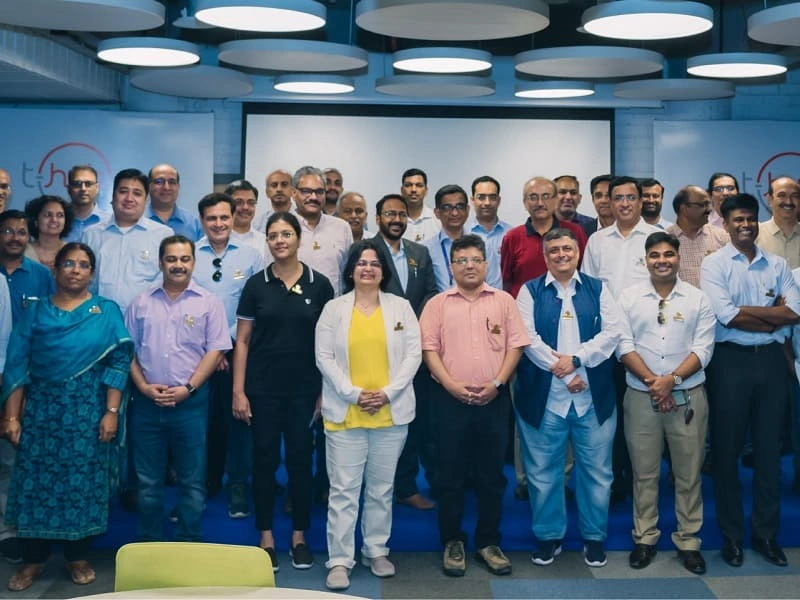
Mentor Engagement is crucial to build a stronger community through ideas and expertise stemming from a rich industry experience. It helps nurture and sustain a vibrant, dynamic, and flourishing innovation ecosystem.
Mentors will be engaged on an as-needed basis and as much as possible based on their availability and interests. Mentors also have opportunities to represent T-Hub as speakers, panelists, judges at community events, T-Hub events, and partner events, including WeHub, TSIC, etc. For further inquiries, please feel free to contact us at czarina.arora@t-hub.co.
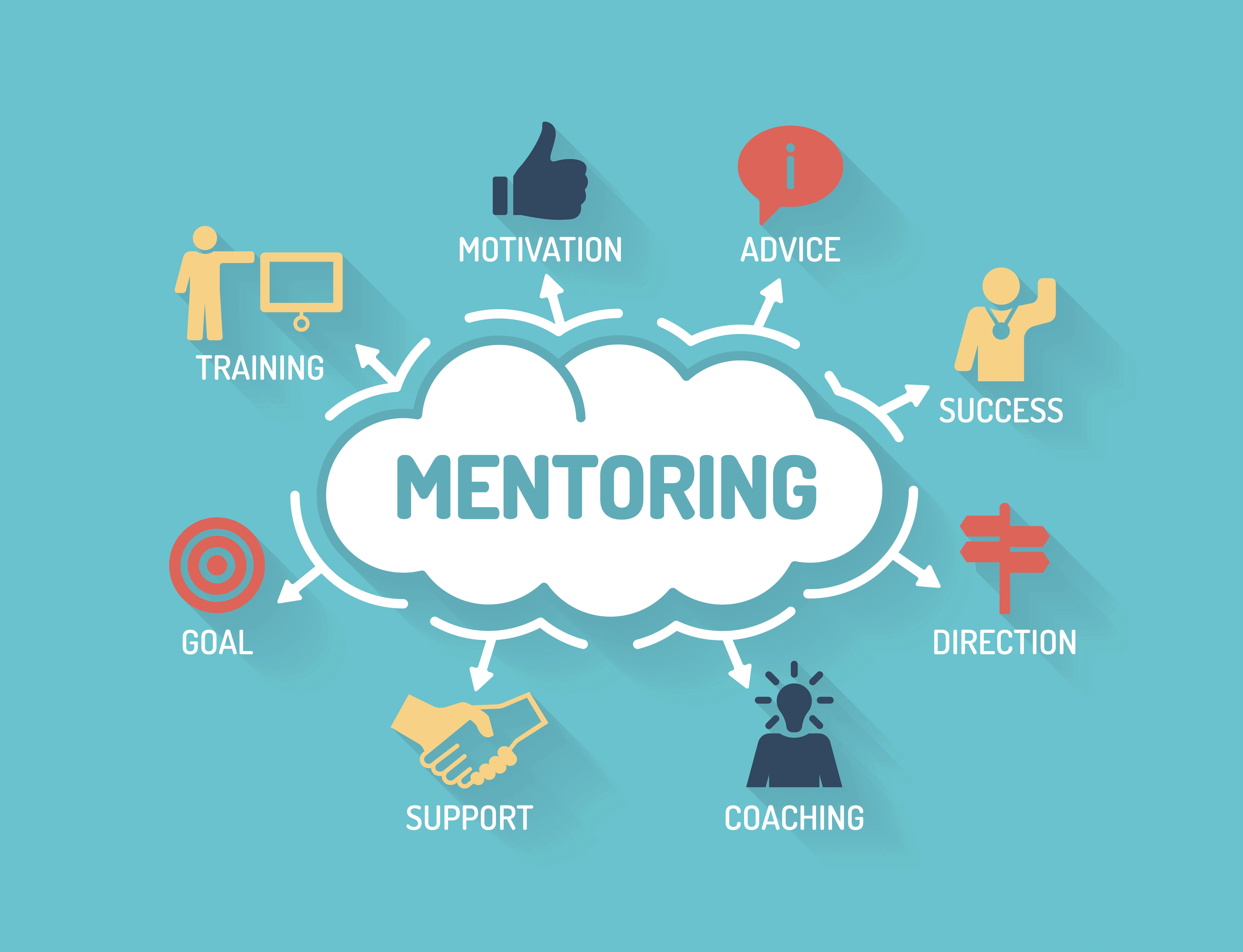
The mentoring relationship, acting either as a mentor or a mentee, may present you with a number of issues or dilemmas. Often, there are no easy or obvious solutions and there may be no clear-cut sense of ‘right’ or ‘wrong’.
These simple guidelines highlight a set of behaviors that might impact the mentoring relationship or, indeed, when using mentoring/coaching techniques in other situations.
1. The mentor’s role is to respond to the mentee’s needs and agenda; it is not to impose their own agenda.
2. Mentors will agree with the mentee how they wish the relationship to work, while adopting the most appropriate level of confidentiality.
3. Mentors will be aware of and adhere to any current legislation relating to activities undertaken as part of the mentoring service.
4. The mentee should be made aware of their rights and any complaints procedures.
5. Mentors and mentees will respect each other’s time and other responsibilities, ensuring they do not impose beyond what is reasonable.
6. The mentor will ensure the mentee accepts increasing responsibility for managing the relationship; the mentor will empower them and promote the mentee’s autonomy.
7. Either party should not dissolve the relationship at any time throughout the period of the mentoring relationship without discussing it with the mentoring team at T-Hub regarding the same.
8. The mentor will not intrude into areas the mentee wishes to keep private until invited to do so. They should, however, help the mentee to recognize how other issues may relate to these areas.
9. Mentors will be open and truthful with themselves and their mentees whilst participating in the mentoring relationship
10. Mentors will share the responsibility for the smooth winding down of the relationship with the mentee, once it has achieved its purpose – they must avoid creating dependency.
11. The mentoring relationship should not be exploitative in any way, nor may it be open to misinterpretation.
12. Mentors should never work beyond the bounds of their capability, experience, and expertise to the point where they do not feel confident in providing the mentee with proper support. Where appropriate, mentors should seek advice or refer mentees to another point of contact or enterprise support professionals.
13. The confidentiality of the mentee remains paramount at all times. At no time will a mentor disclose any part of the relationship to any person whosoever, without the explicit agreement of the mentee. Any notes or other records of mentoring sessions shall remain, at all times, the property of the mentee. They may, for convenience, be retained by the mentor but may be requested by the mentee at any time.
14. Mentors have a responsibility to highlight any ethical issues (such as conflicts of interest) that may arise during a mentoring relationship at the earliest opportunity.
15. Mentors should not attempt to do the mentee’s job for them ‐ the mentee has the ability and the potential, the mentor’s job is to help them realize it.
16. Mentors will maintain their professional competence through participation in continuous professional development
17. Download Mentor Handbook for guidance through your mentorship journey


.svg)
.svg)


.webp)

.webp)
.svg)
.svg)
.svg)


.webp)


.webp)
.webp)
.webp)
.webp)
.webp)
.webp)
.webp)

.webp)
.webp)
.webp)



.webp)


.svg)


.svg)
.svg)
.svg)



.svg)
.svg)